Gujarat, a vibrant state located on India's western coast, experiences diverse climatic conditions ranging from arid regions in the west to a more moderate weather india along its extensive coastline. Understanding the current weather in Gujarat is crucial for both residents and visitors, as it heavily influences daily life, agriculture, and travel plans. This article provides an in-depth look at the latest weather conditions, regional variations, and what to expect across major cities in 2026.
Current Weather Conditions Across Major Cities
As of today, various cities in Gujarat are reporting differing conditions, reflecting the state's geographical diversity. Temperatures hover around the low to mid-30s Celsius for many urban centers, with varying humidity and wind patterns influencing the comfort index. Keeping track of these local variations is essential for daily planning.
- Ahmedabad: Currently at 31°C with partly cloudy skies, experiencing moderate humidity and gentle winds.
- Surat: Reporting 29°C with southwesterly winds at 20.4 km/h and high humidity at 84%.
- Vadodara: Temperatures are around 31°C, with a comfortable mix of sun and clouds.
- Rajkot: Stands at 31°C with west-southwesterly winds at 22.2 km/h and 61% humidity.
- Bhuj: In the arid regions Gujarat, Bhuj shows 31°C with southwesterly winds at 18.5 km/h and 59% humidity.
- Other Cities: Anand (32°C), Anjar (32°C), Bharuch (32°C), Bhavnagar (33°C), Botad (33°C), Deesa (34°C), Dholka (33°C), Dhoraji (30°C), Dhrangadhra (33°C), Dohad (32°C), Gandhidham (32°C), Gandhinagar (31°C), Jamnagar (31°C), Junagadh (31°C), Amreli (29°C).
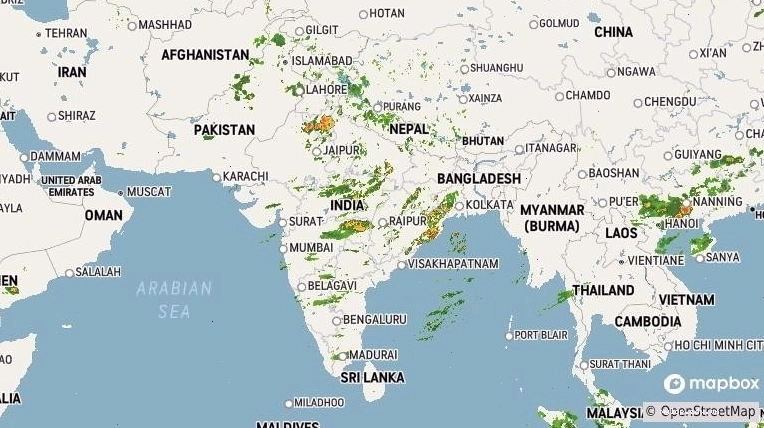
The state's vast area means that while some areas might be experiencing clear skies, others could be bracing for sudden thundershowers or increased humidity. It's always advisable to refer to the latest radar images and local alerts.
Understanding Gujarat's Diverse Climate Patterns
Gujarat's climate is primarily characterized by hot and dry conditions for a significant part of the year, followed by the crucial monsoon in Gujarat. The state can be broadly divided into distinct climatic zones, each with unique weather phenomena.
The Impact of Gujarat Coastal Climate
The extensive coastline of Gujarat, stretching along the Arabian Sea, significantly impacts the local weather. Coastal cities like Surat, Veraval, and Dwarka often experience a moderating effect from the sea, leading to less extreme temperatures compared to inland areas. However, humidity levels tend to be higher, especially during and after the monsoon season. This coastal influence also makes these regions more susceptible to cyclonic activities, though advanced warning systems are typically in place.
Weather in Arid Regions Gujarat
In contrast, the eastern and northern parts of Gujarat feature arid regions Gujarat, including the Kutch district. These areas are known for their extreme temperatures, with very hot summers and relatively cool winters. Precipitation is sparse and often unpredictable, leading to unique ecological adaptations and agricultural practices. Dust storms are also common in these areas, particularly during the pre-monsoon and summer months.
Seasonal Overview and Monsoon Trends
Gujarat experiences three main seasons: summer (March to June), monsoon (July to October), and winter (November to February). Each season brings its own set of weather patterns and challenges.

The Significance of Monsoon in Gujarat
The monsoon in Gujarat is a lifeline for the state, bringing the majority of its annual rainfall. Typically arriving in July and lasting until October, the monsoon transforms the landscape, replenishing water reservoirs and supporting agricultural activities. However, it can also bring challenges such as heavy downpours, localized flooding, and strong winds. Monitoring monsoon forecasts, including precipitation chance and wind speeds, is critical for public safety and disaster preparedness.
| Season | Typical Months | Characteristics | Impact |
|---|---|---|---|
| Summer | March - June | Hot, dry, clear skies, high temperatures (35-45°C) | Dehydration risk, increased energy consumption for cooling, water scarcity in arid zones |
| Monsoon | July - October | Heavy rainfall, high humidity, thunderstorms, moderate temperatures (28-35°C) | Agricultural boost, potential for flooding and disruption, increased humidity |
| Winter | November - February | Mild, pleasant, low humidity, cooler temperatures (10-25°C) | Ideal for tourism and outdoor activities, comfortable living conditions |
Staying Informed and Prepared
With the fluctuating climate and specific regional weather phenomena, staying updated on the weather in Gujarat is paramount. Local weather departments provide forecasts, warnings, and real-time updates through various channels. Utilizing reliable weather applications and services can help individuals make informed decisions regarding travel, work, and personal safety.
Understanding the interplay between Gujarat coastal climate and the arid regions Gujarat, alongside the critical impact of the monsoon, allows for better preparedness and appreciation of the state's natural environment. Always check current conditions before making plans. Stay safe and informed!